Fine lines and wrinkles are a natural part of aging, but modern cosmetic treatments have made it possible to soften these visible changes without the hassles of surgery. Among the most widely chosen non-invasive options is Botox cosmetic, a treatment designed to smooth expression lines and create a more refreshed appearance. Its effectiveness lies in how it targets the underlying cause of many wrinkles rather than simply treating the skin’s surface.
To understand how Botox cosmetic works, it is important to know why wrinkles form. Many facial lines develop from repeated muscle movements over time. Expressions such as smiling, frowning, squinting, or raising the eyebrows cause the skin to fold in the same areas again and again. As the skin gradually loses elasticity with age, these folds become more noticeable and eventually remain visible even when the face is at rest.
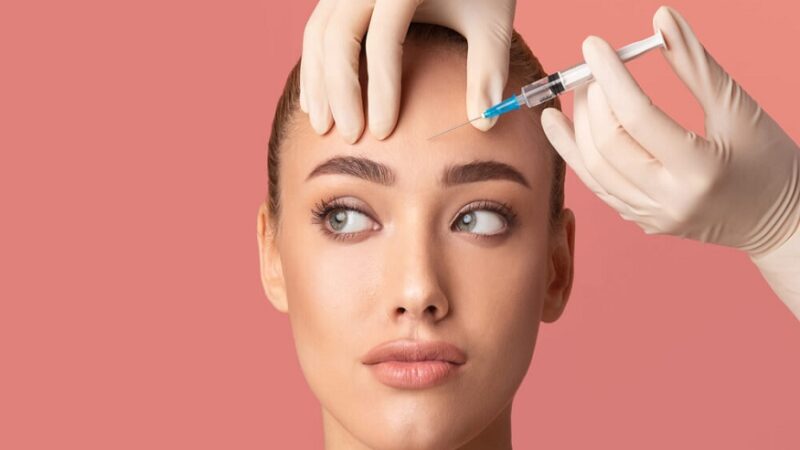
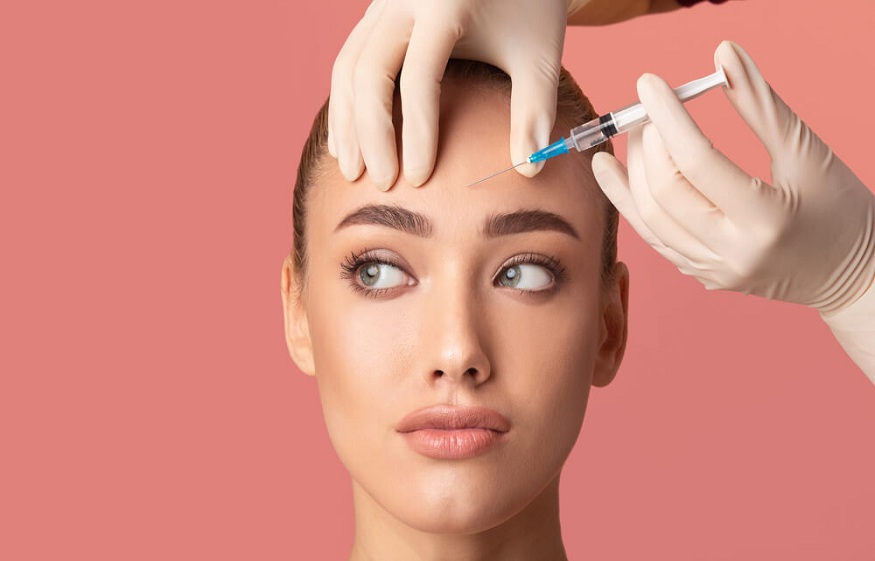
Botox cosmetic works by temporarily relaxing the muscles responsible for these repeated movements. It is administered through small, precise injections into specific facial muscles. The active ingredient blocks the signals between nerves and targeted muscles, preventing them from contracting as strongly. When the muscles relax, the skin above them smooths out, reducing the appearance of fine lines and wrinkles.
Read More: The Quiet Problems That Show Up Late in Poor Medical Equipment Choices
One of the most commonly treated areas is the forehead, where horizontal lines can form from raising the eyebrows. The treatment is also frequently used between the eyebrows, where vertical frown lines develop, and around the eyes, where crow’s feet appear from smiling or squinting. By softening muscle activity in these areas, Botox cosmetic helps restore a smoother and more youthful look.
A major advantage of this treatment is that it focuses on dynamic wrinkles, which are lines caused by movement. Unlike some skincare products that address only the skin’s surface, Botox cosmetic targets the muscle activity that contributes to wrinkle formation. This approach allows for more noticeable improvement while maintaining natural facial expressions when performed by a qualified professional.
The procedure itself is relatively quick and requires minimal preparation. Most sessions take only a short time to complete, and many individuals return to normal activities soon afterward. As the treatment is non-surgical, there are no incisions or extended recovery periods. This convenience makes Botox cosmetic a popular option for individuals seeking visible results without disrupting their routine.
Read More: QUESTIONS YOU SHOULD ALWAYS ASK YOUR DOCTOR DURING PREGNANCY CHECKUPS
Results typically begin to appear within a few days as the targeted muscles gradually relax. Over the following days, the skin looks smoother and more refreshed. While the effects are temporary, they generally last for several months, after which muscle activity slowly returns. This temporary nature allows individuals to maintain flexibility in their aesthetic choices and schedule follow-up treatments as desired.
Another important benefit of Botox cosmetic is its preventative potential. By reducing muscle movement in areas prone to wrinkle formation, the treatment can help slow the development of deeper lines over time. Many individuals choose to begin treatment when fine lines first appear, using it as part of a long-term approach to maintaining smoother skin.
Safety and precision are essential components of successful treatment. When administered by trained professionals, Botox cosmetic is carefully tailored to each individual’s facial structure and aesthetic goals. This personalized approach helps ensure natural-looking results that enhance rather than alter facial features.
Beyond physical changes, the treatment often supports confidence and self-perception. Smoother skin and a more relaxed facial appearance can help individuals feel refreshed and more comfortable with their appearance. This psychological benefit is one of the reasons many people choose non-surgical cosmetic treatments as part of their self-care routine.
In essence, Botox Cosmetic reduces fine lines and wrinkles by addressing their root cause—repetitive muscle movement. Through targeted relaxation of specific facial muscles, it smooths the skin and restores a refreshed appearance without surgery. As a convenient and effective option for facial rejuvenation, it continues to play a significant role in modern aesthetic care.